Skip to content
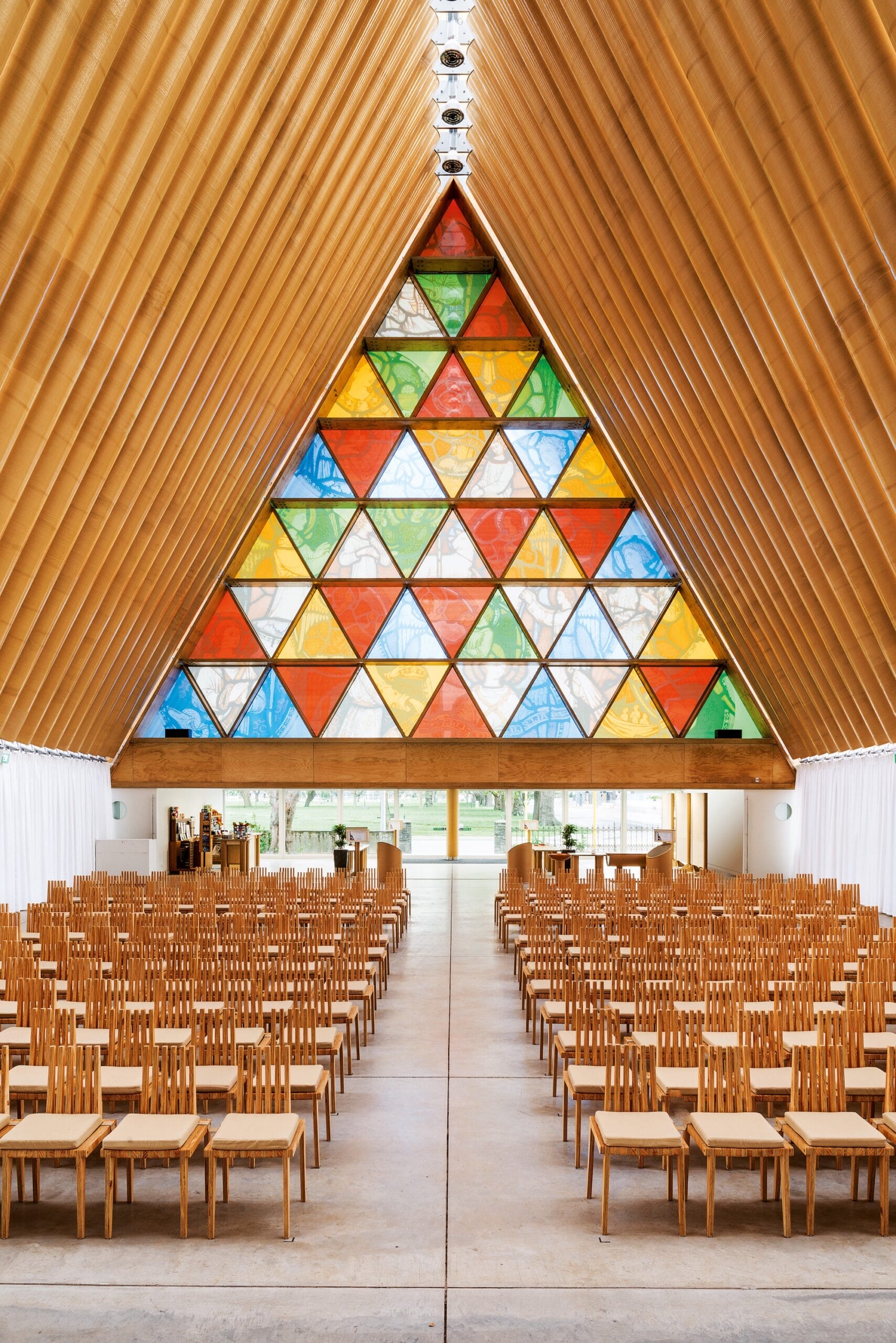
Cardboard Cathedral (2013), Christchurch, New Zealand. Photo by Steven Goodenough

A New Book Chronicles Shigeru Ban’s Distinctive and Innovative Architecture Over Four Decades

A list of today’s most influential architects wouldn’t be complete without Shigeru Ban, whose exceptional projects range from religious centers and corporate campuses to museums and disaster-relief shelters around the globe. The designer’s oeuvre is unmistakably modern while drawing on timeless Japanese framing traditions. His innovative use of timber and paper results in technologically advanced forms, elaborate yet elegant latticework, harmonious curves, and a perceptive use of light.

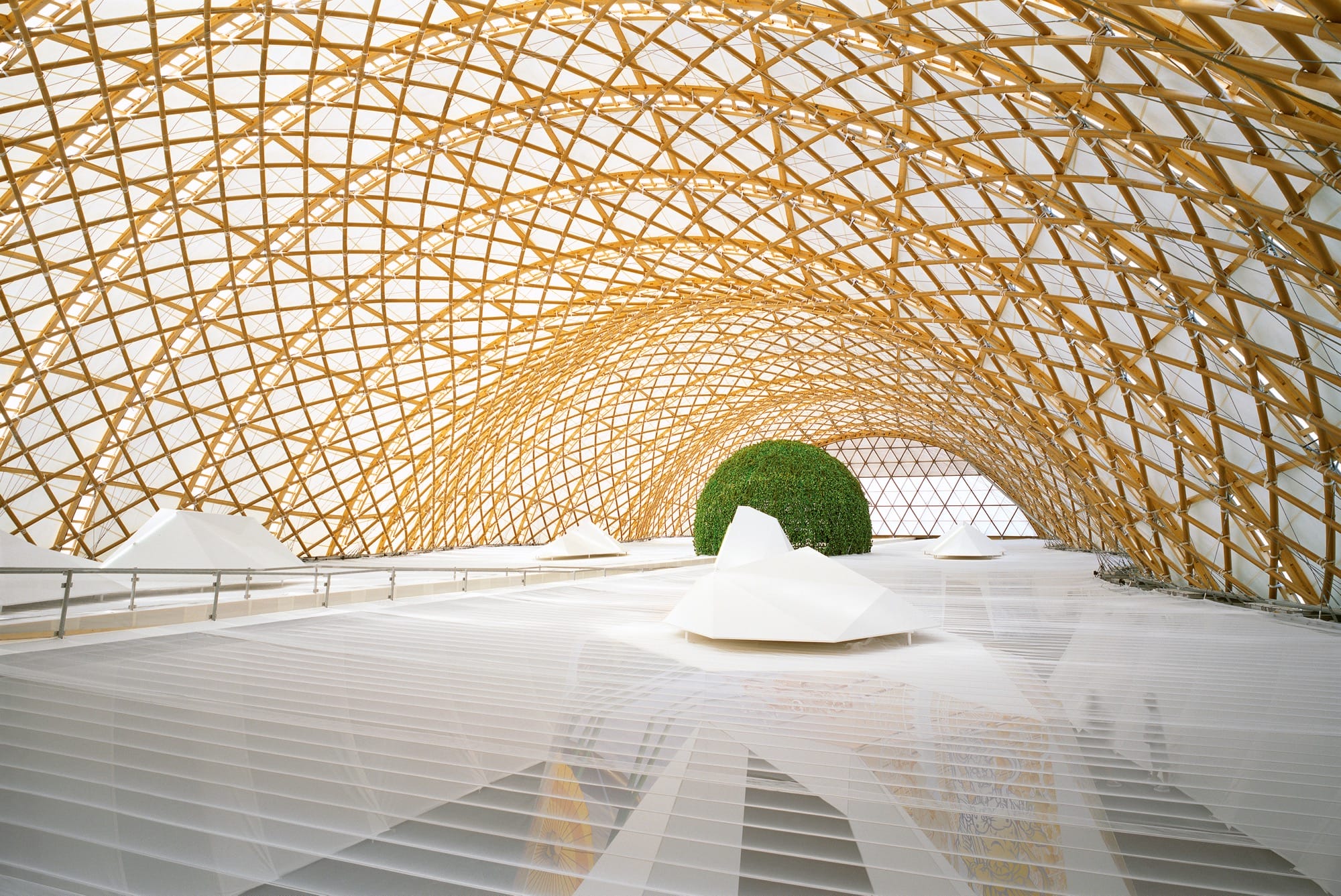
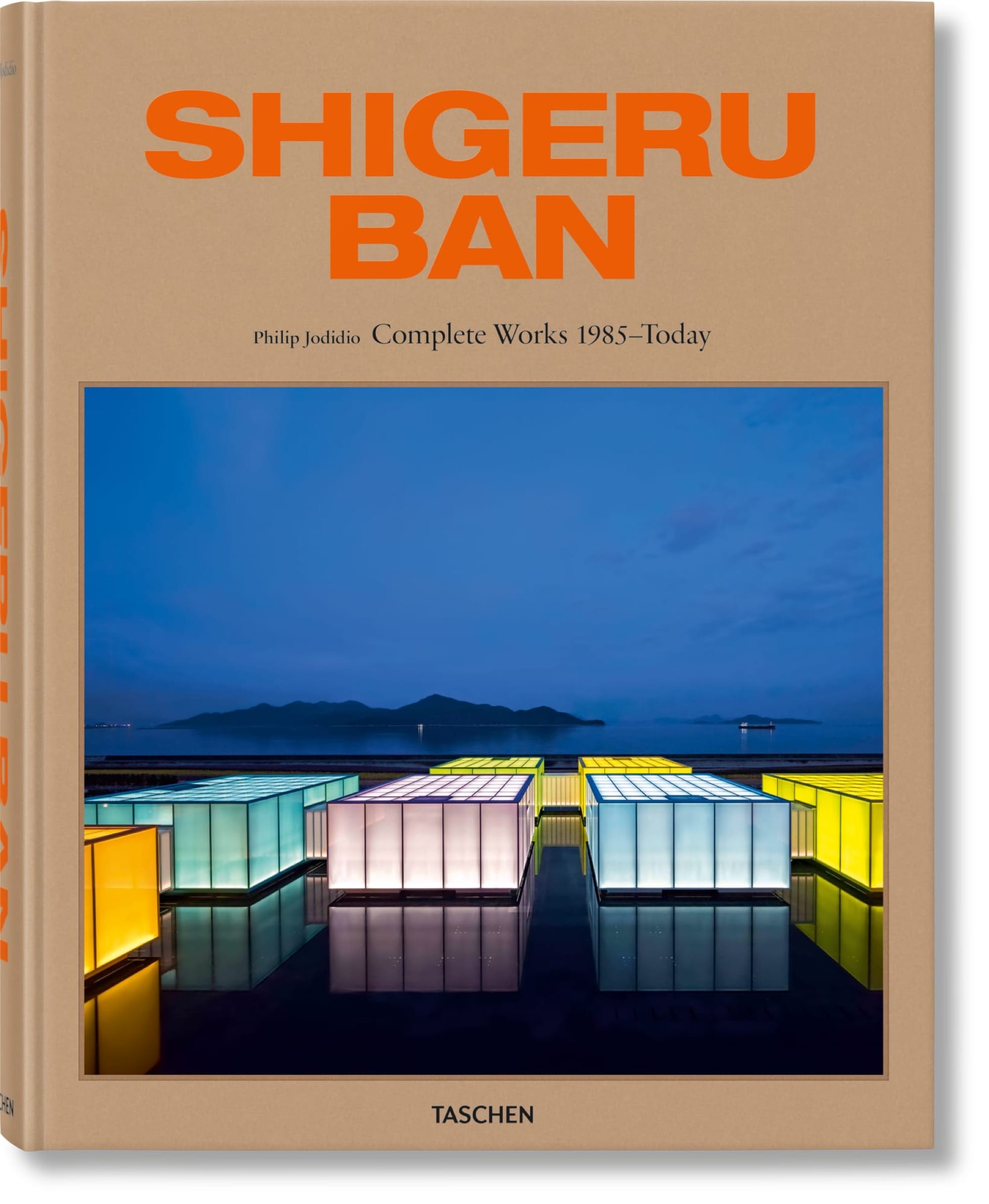
Next month, TASCHEN is set to release Shigeru Ban. Complete Works 1985–Todaya monograph that traces the designer’s most influential works throughout the past four decades. In the publisher’s “XXL” format, experience Ban’s sweeping Japan Pavilion at Expo 2000 in Hanover, Germany, a colorful, translucent public restroom in Tokyo that turns opaque when in use, and a vaulted cathedral ceiling made of cardboard in New Zealand, among myriad other projects.

Shigeru Ban is written by by Philip Jodidio, who has authored more than 150 books about architecture the world over. A series of 200 limited-edition copies come with a three-dimensional, laser-cut wooden cover and include a signed print of a sketch by Ban. Preorder from TASCHEN or Bookshop.
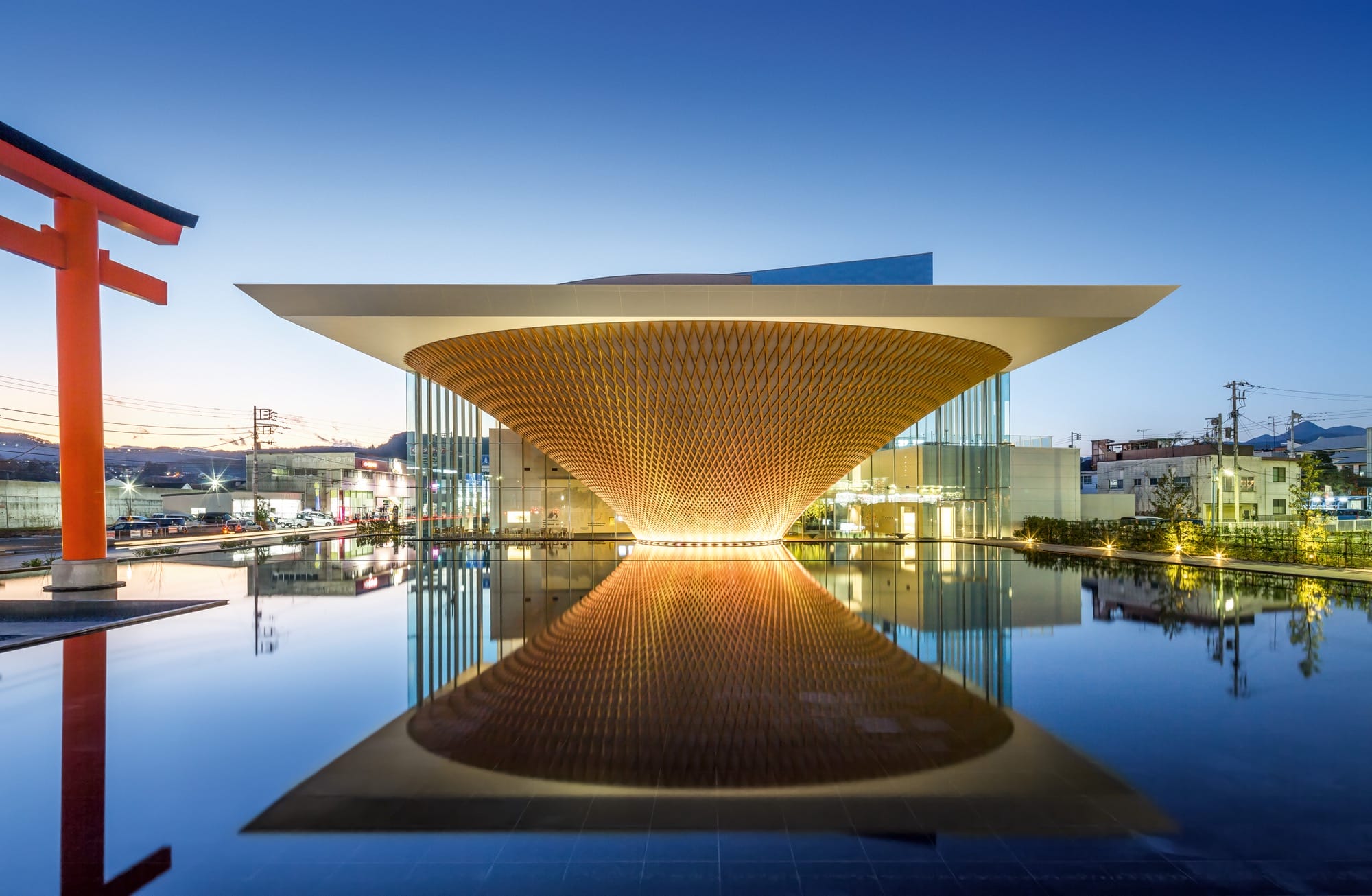
light emerges from the base of a building reflected in a pool of water below
Mount Fuji World Heritage Center (2017), Fujinomiya, Shizuoka, Japan. Photo by Hiroyuki Hirai. All images courtesy of TASCHEN, shared with permission


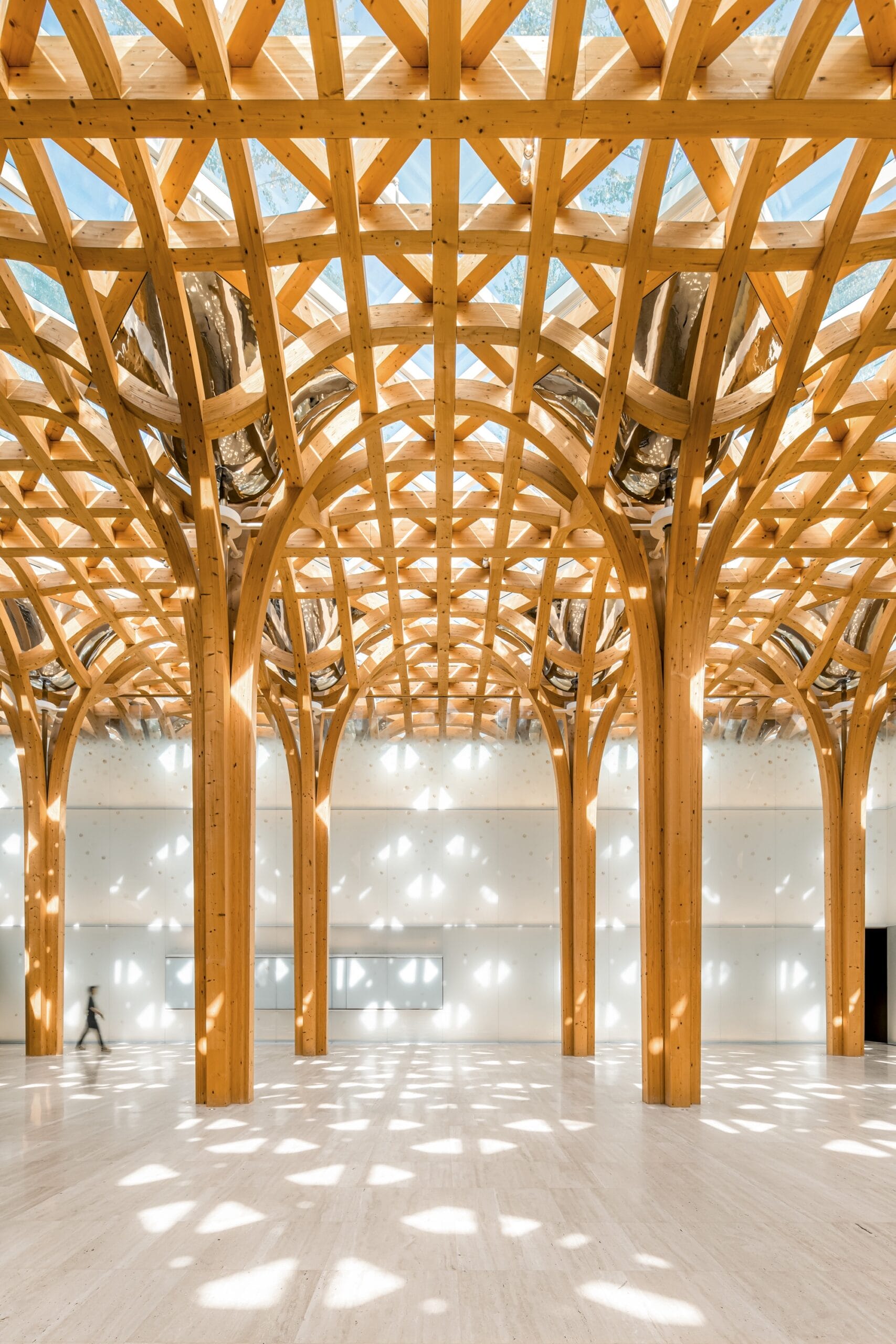
a vertical image of the interior of a sunlit architectural space with white floors and walls and intricate wooden latticework on the ceiling that blends into a series of support columns
Haesley Hamlet (2020), Gyeonggi, South Korea. Photo by texture on texture
the interior of the Japan Pavilion at Expo 2000 in Hanover, showing a long, arched interior with white floors and a ceiling of latticework
Japan Pavilion (2000), Expo 2000, Hanover, Germany. Photo by Hiroyuki Hirai
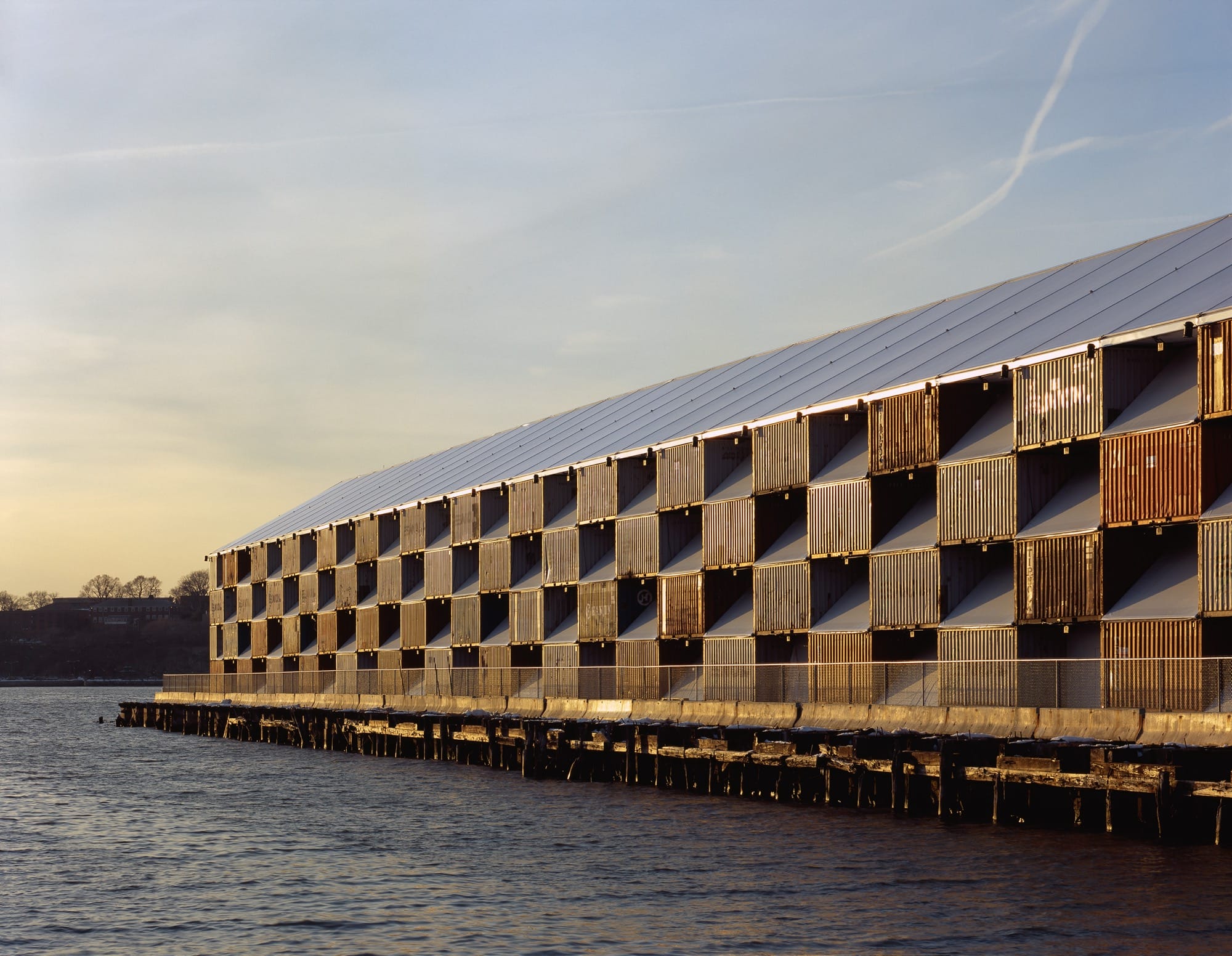
a striking building with a kind of three-dimensional checkerboard effect on a long pier
Nomadic Museum, Pier 54, New York, United States (2005); Santa Monica, California, United States (2006); Tokyo, Japan (2007). Photo by Michael Moran
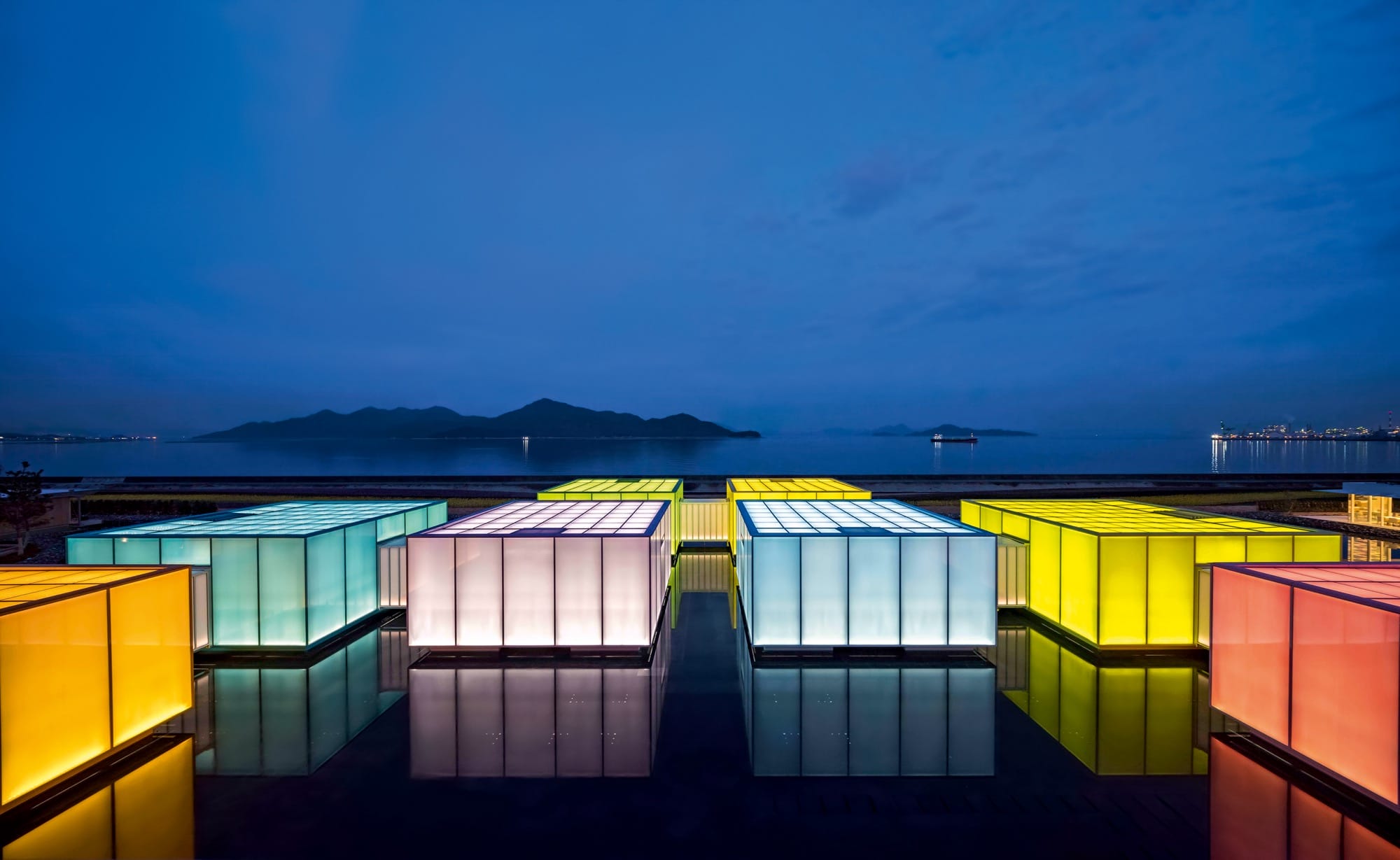
a series of floating, colorfully illuminated glass architectural structures floating on water in Japan
Simose (2023), Otake, Hiroshima, Japan. Photo © TASCHEN
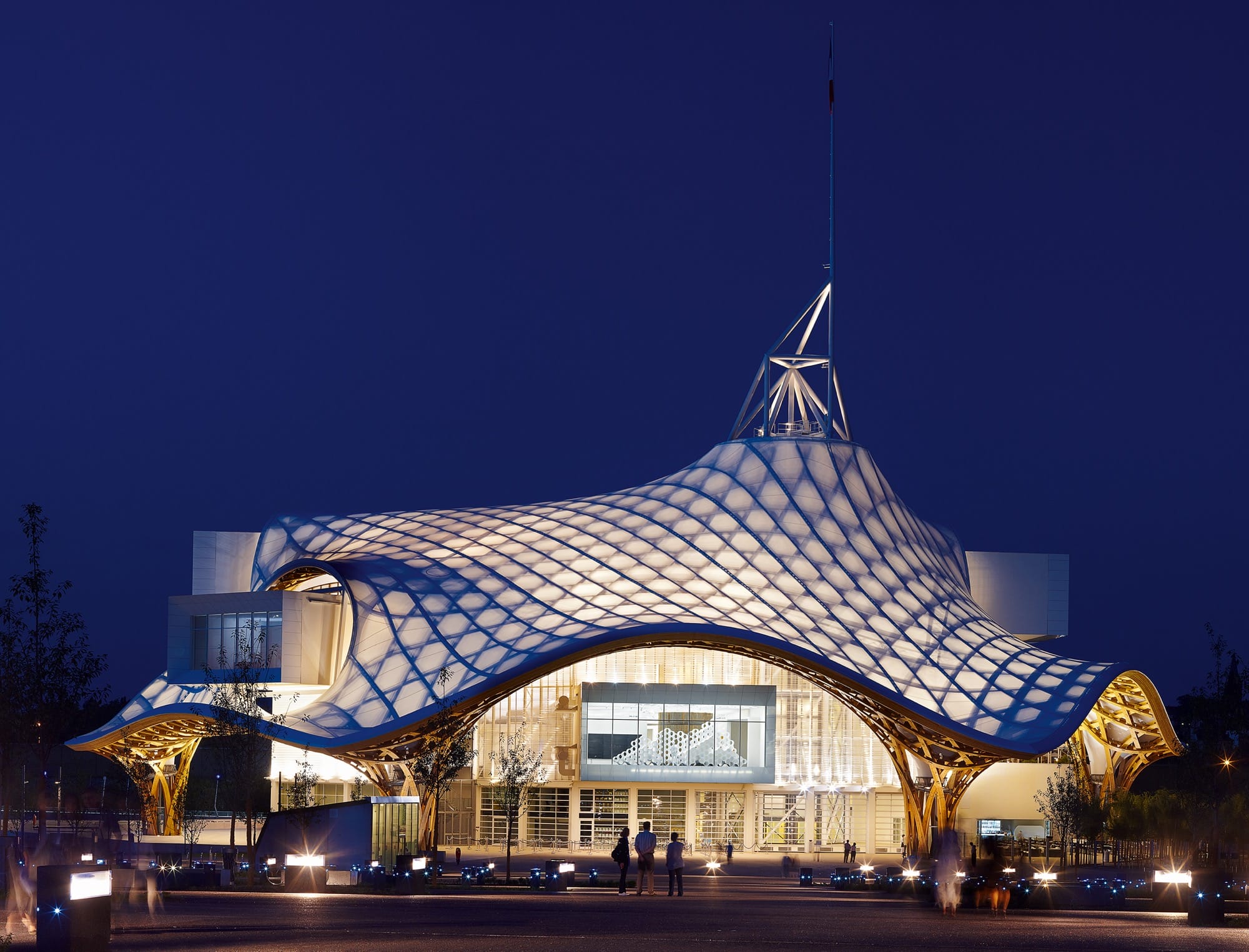
a striking, undulating building viewed from outside at night, with light coming through latticework in the ceiling
Centre Pompidou-Metz (2010), Metz, France. Photo by Didier Boy de la Tour
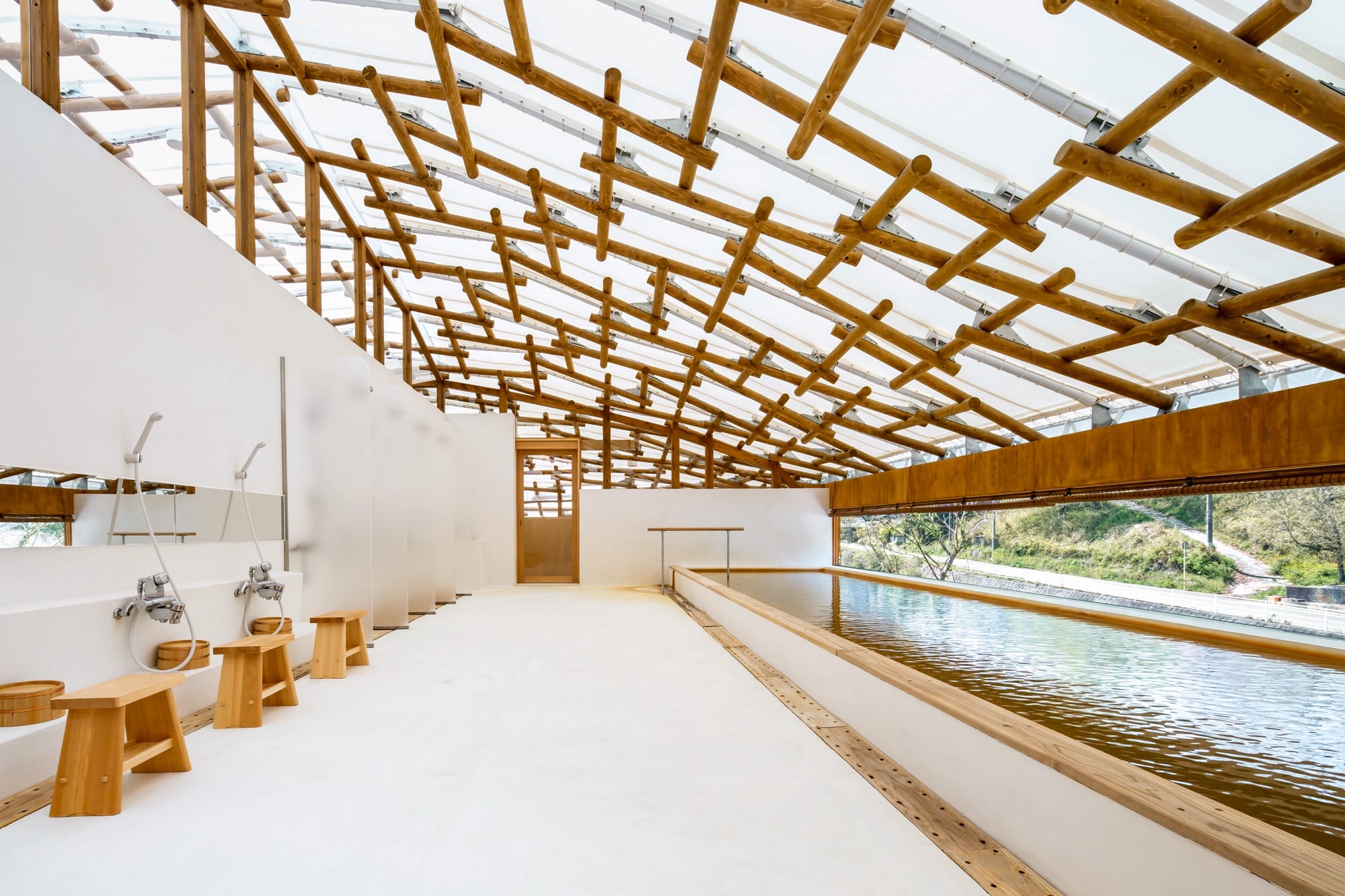
the interior of a large bathroom with a pool and a series of showers, bright white on the floor and walls with wooden latticework on the ceiling
Kur Park Nagayu (2019), Oita, Japan. Photo by Hiroyuki Hirai
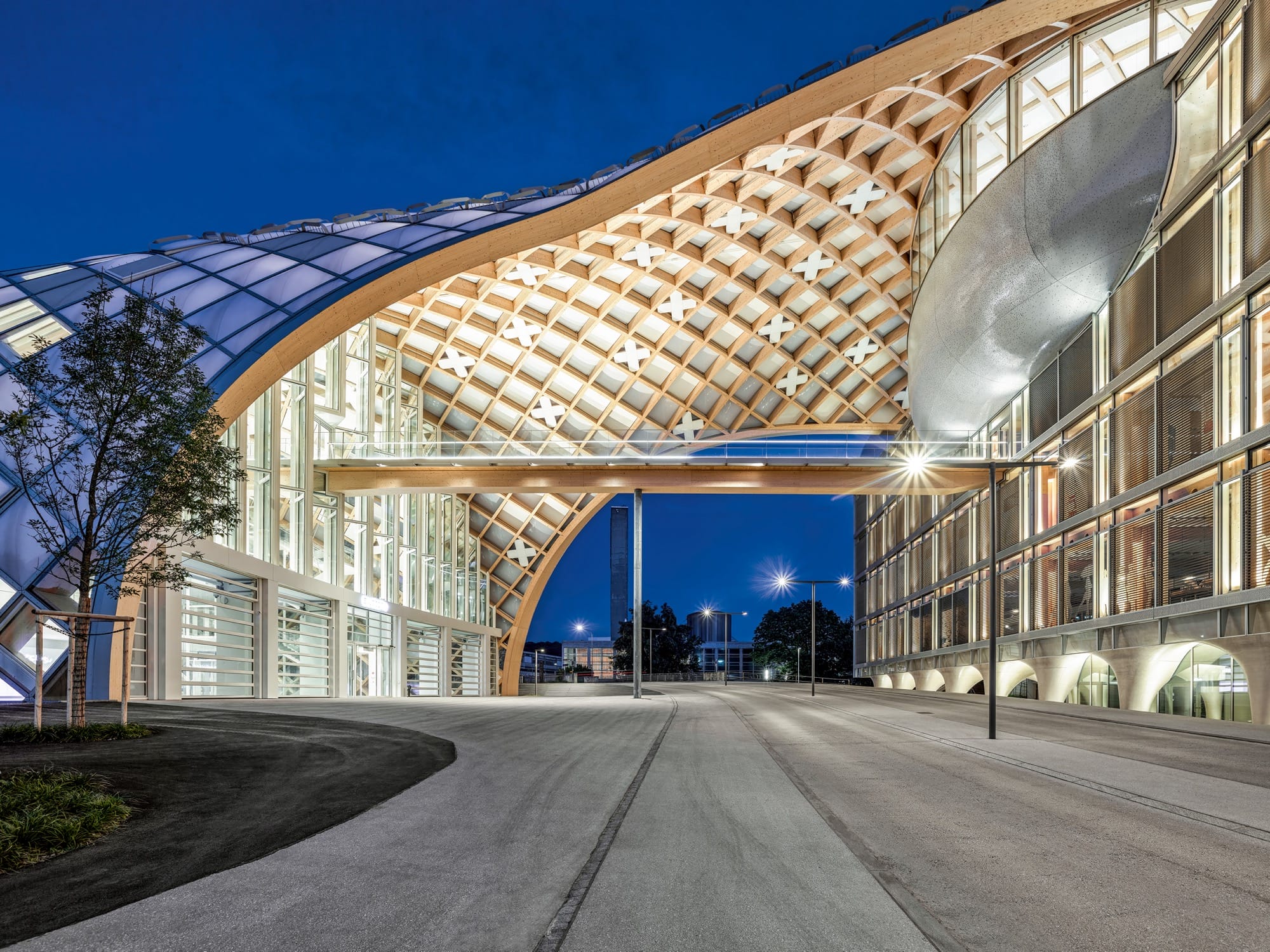
a large, architectural feature with intricate latticework curving over a road, photographed at night to show its illuminated underside
Swatch/Omega Campus (2019), Biel/Bienne, Switzerland. Photo courtesy of Swatch
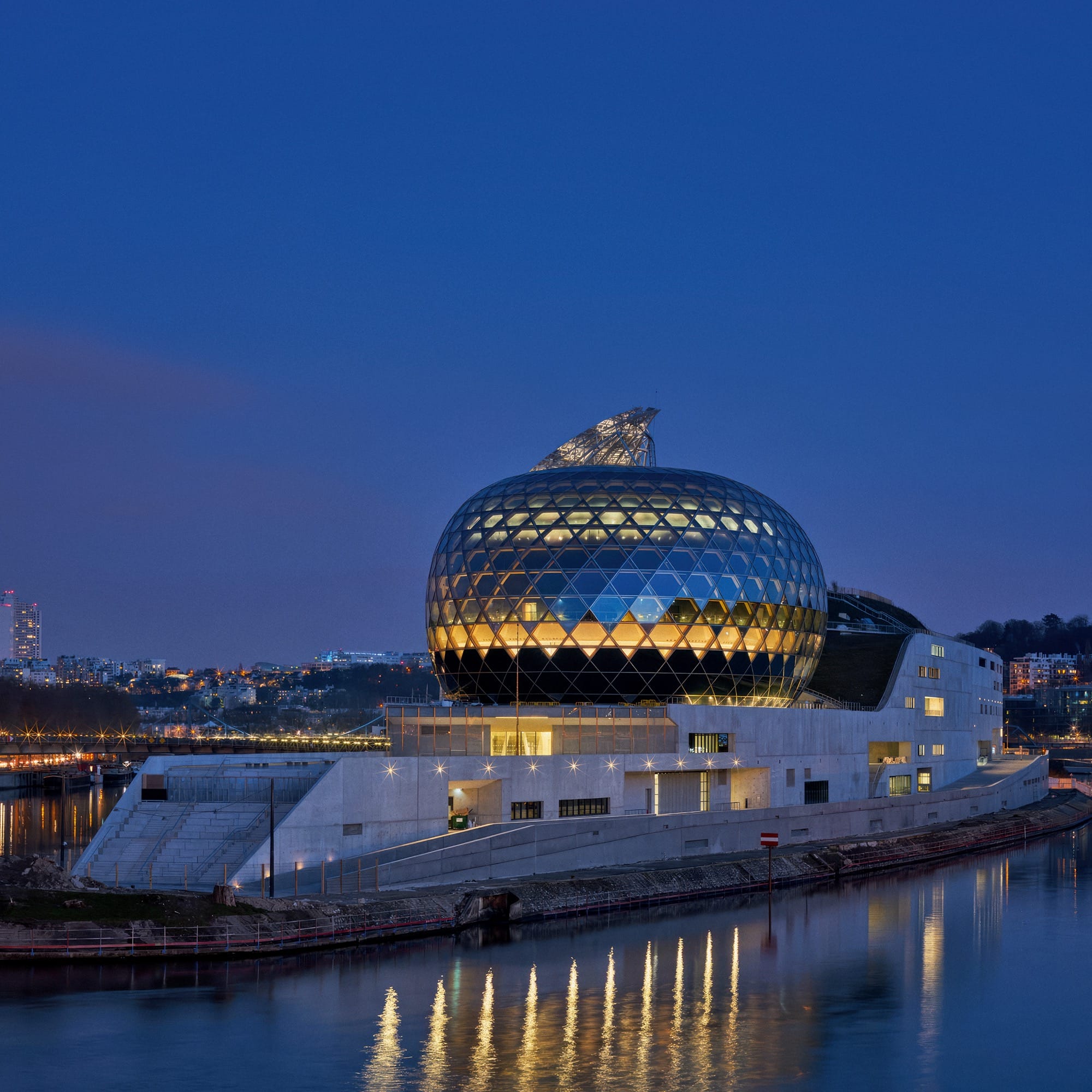
La Seine Musicale (2017), Île Seguin, Boulogne-Billancourt, France. Photo by Didier Boy de la Tour
the cover of the book 'Shigeru Ban. Complete Works 1985-Today'

Related articles